
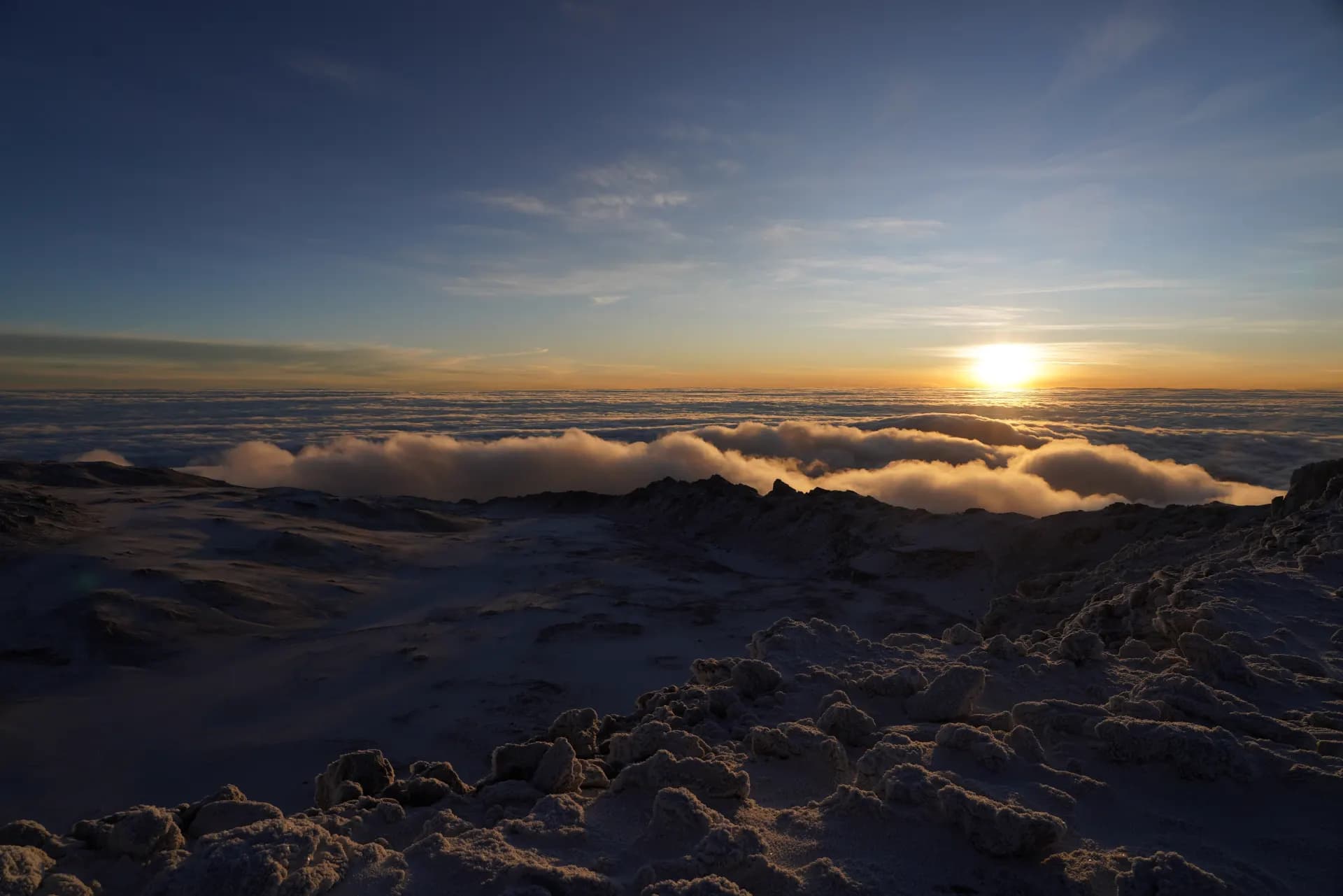
The Summit Is Not the Hard Part. Choosing the Route Is.
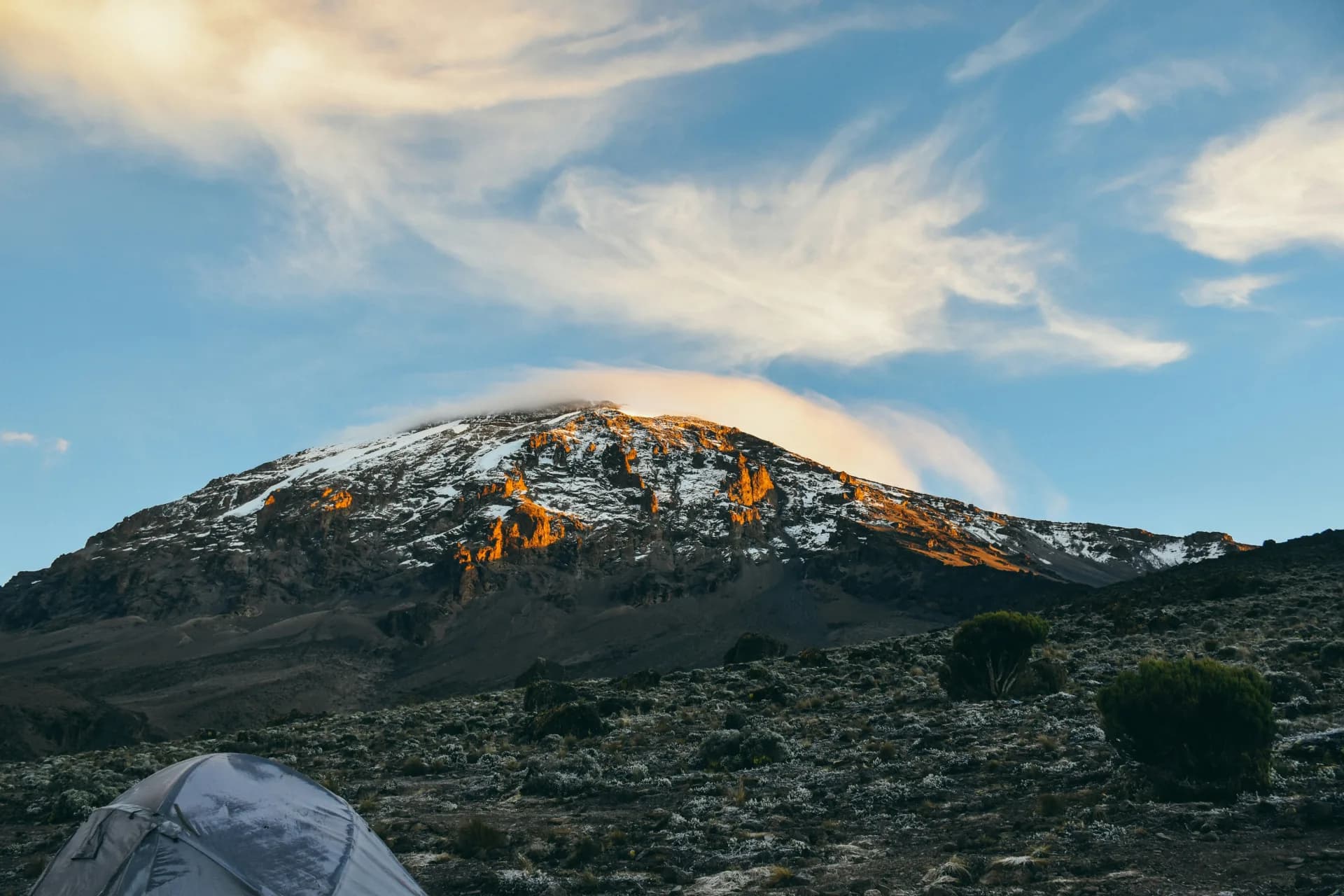
Mount Kilimanjaro rises 19,341 feet (5,895 m) above Tanzania — the highest free-standing mountain on earth, and a summit that requires no technical climbing. The route you choose decides your scenery, your crowds, and your odds of standing on Uhuru Peak.
Wilderness First Responder guides · Emergency oxygen carried · Daily health checks · U.S. + Tanzania planning team
Quick Answer
The World's Highest Free-Standing Mountain — No Technical Climbing Required.
Mount Kilimanjaro (19,341 ft / 5,895 m) is the world's highest free-standing mountain, and its summit requires trekking, not technical climbing. Most climbs take 6–9 days; longer routes acclimatize better and summit more reliably.
EXG Safaris runs private, fully supported climbs on six established routes, matched to your fitness, schedule, and comfort level.
Summit Elevation
19,341 Ft / 5,895 M
Typical Length
6–9 Days
Established Routes
6
Every Climb
Private + Fully Supported
Six Routes, One Summit
Which Kilimanjaro Route Should You Choose?
Every route ends at Uhuru Peak, but no two get there the same way. Days on the mountain, camping versus huts, steepness, and how much time your body gets to adapt — these four variables separate a summit day you remember from one you abandon.
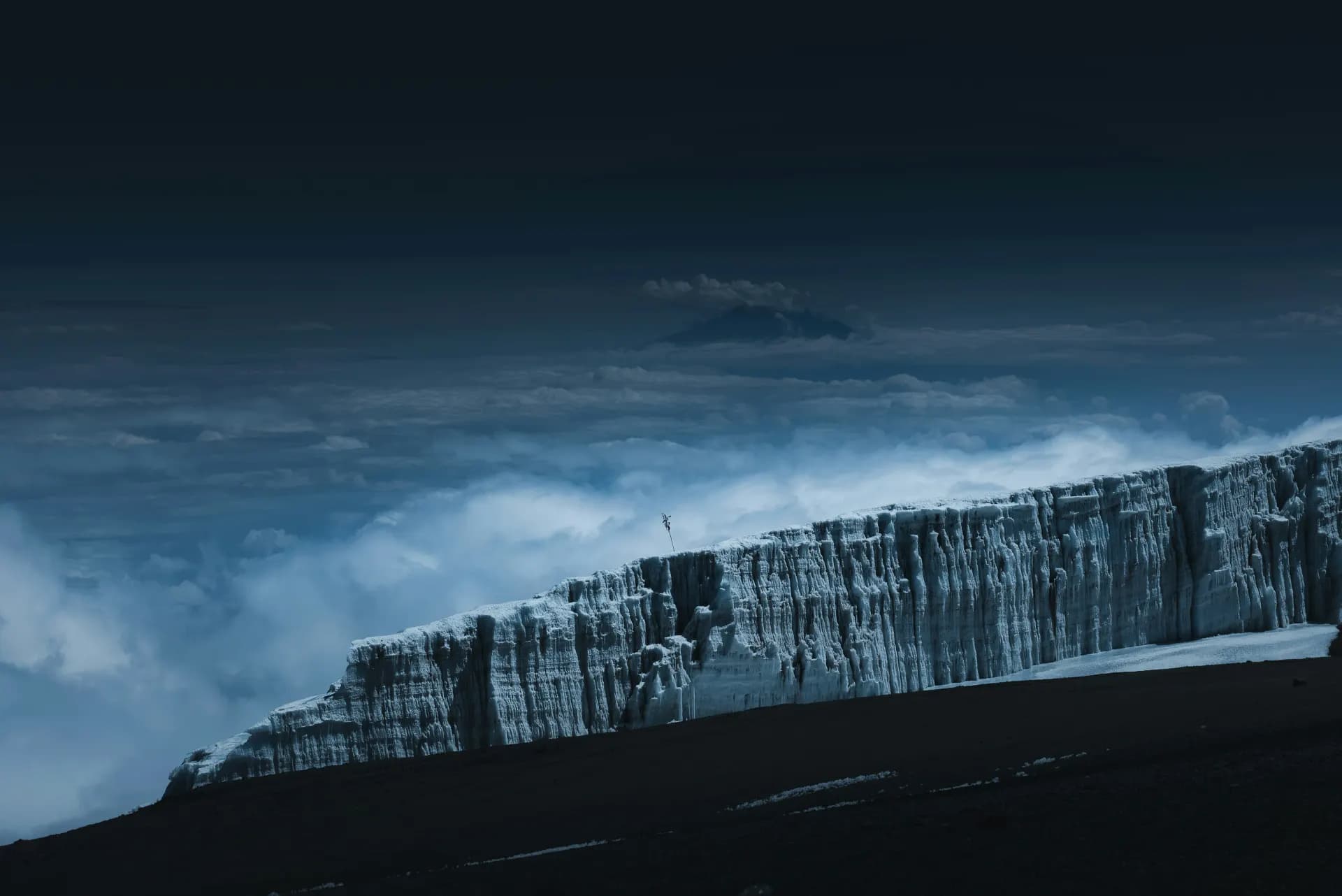
Machame Route
7 days · CampingThe classic climb. Varied terrain, the Barranco Wall, and a climb-high, sleep-low profile that acclimatizes well.
Route Details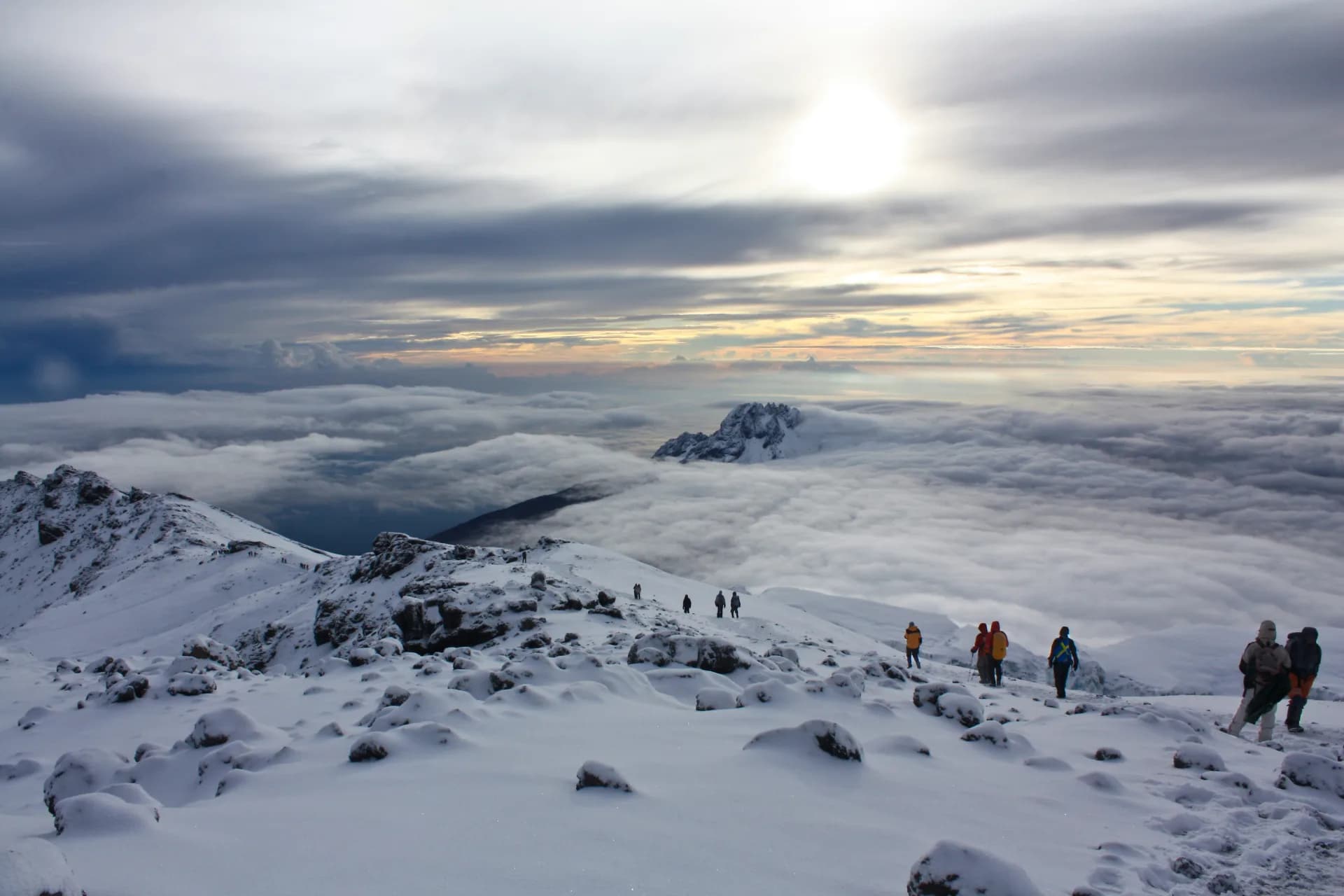
Lemosho Route
7–8 days · CampingThe scenic western approach. Quiet early days across the Shira Plateau and one of the best acclimatization profiles.
Route Details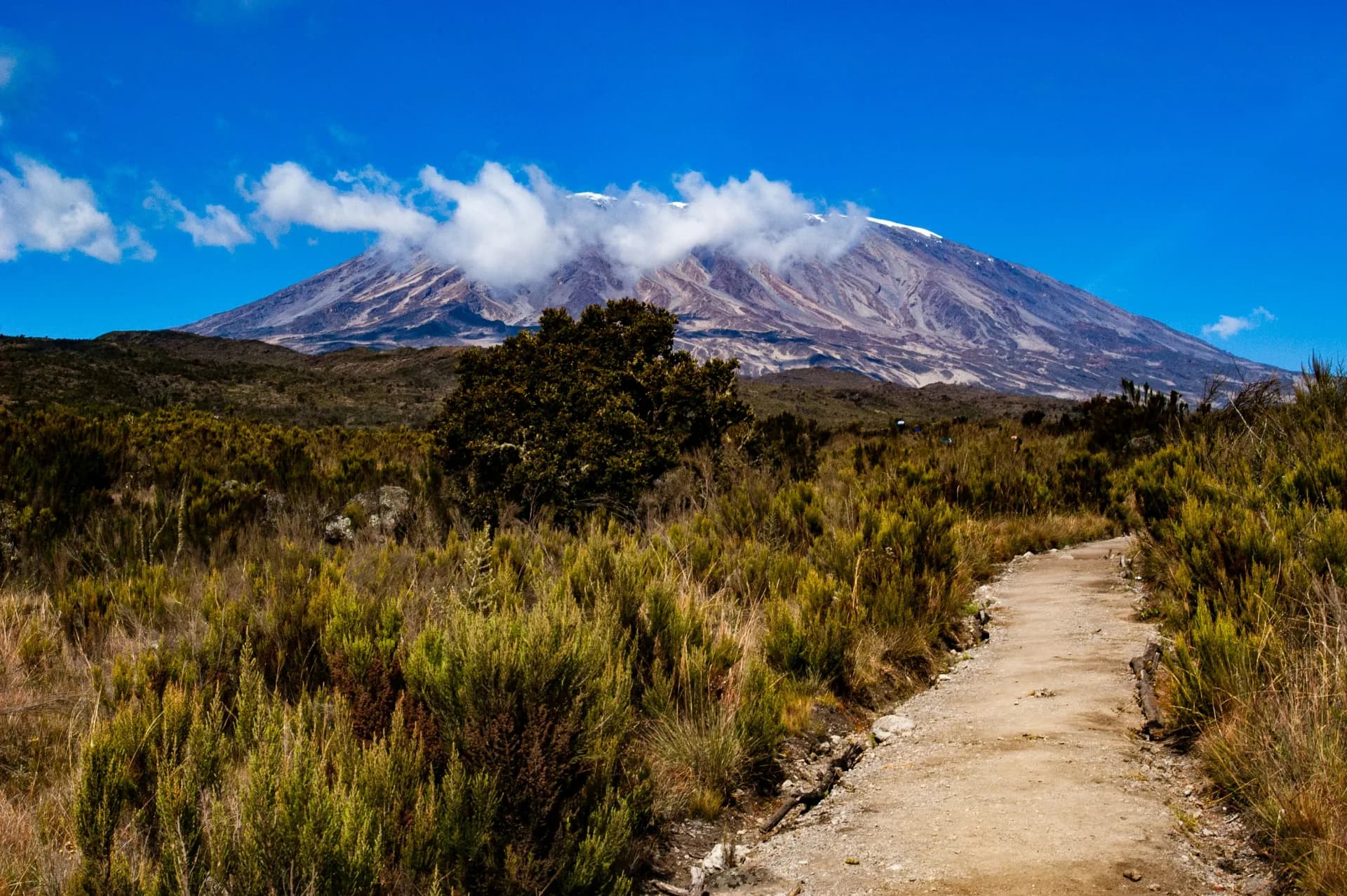
Marangu Route
5–6 days · HutsThe only route with hut accommodation — dry beds every night, which matters most in the rainy months.
Route Details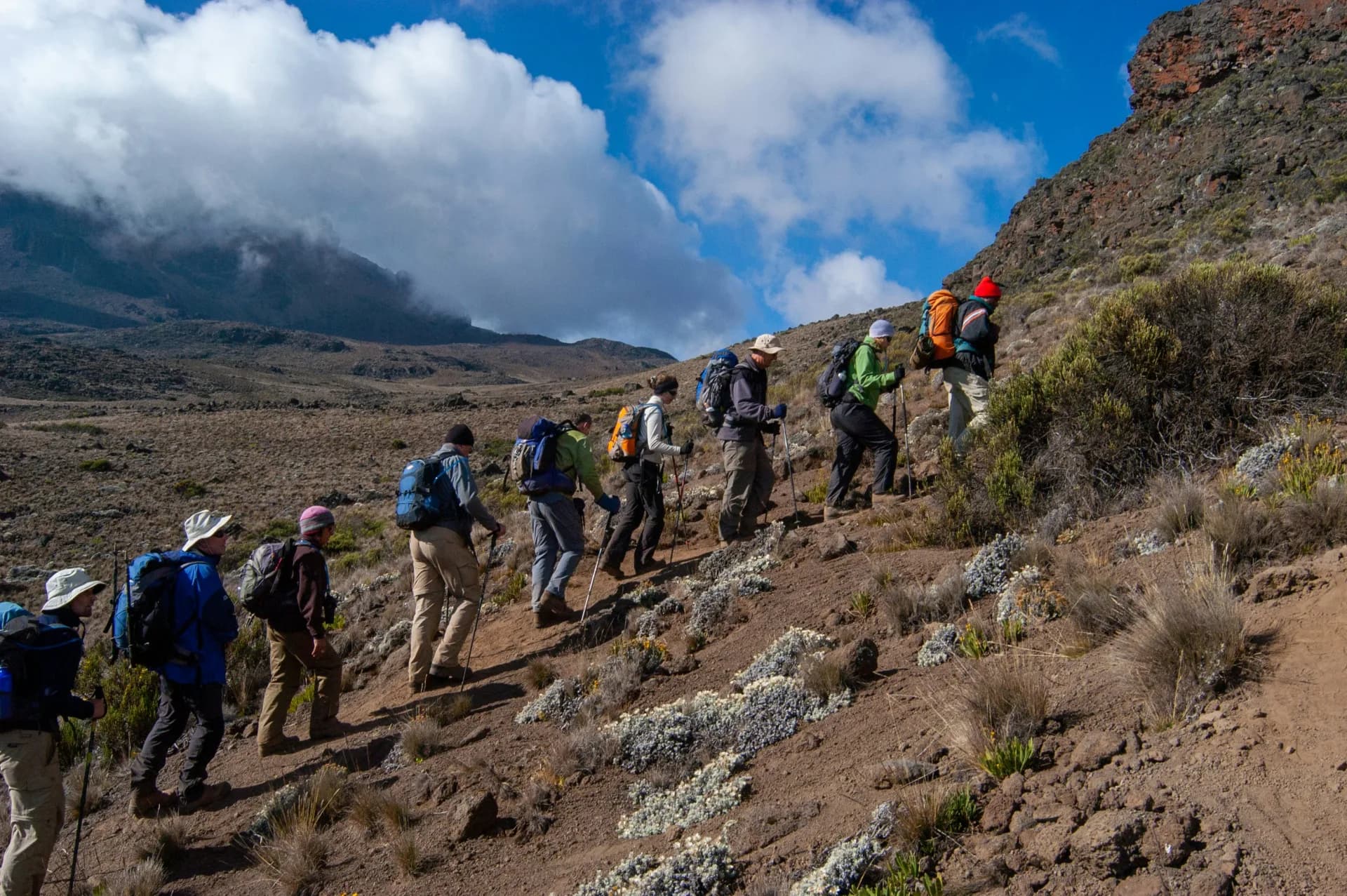
Rongai Route
6–7 days · CampingThe quiet northern trail. Drier weather, fewer trekkers, and a descent on the opposite side of the mountain.
Route Details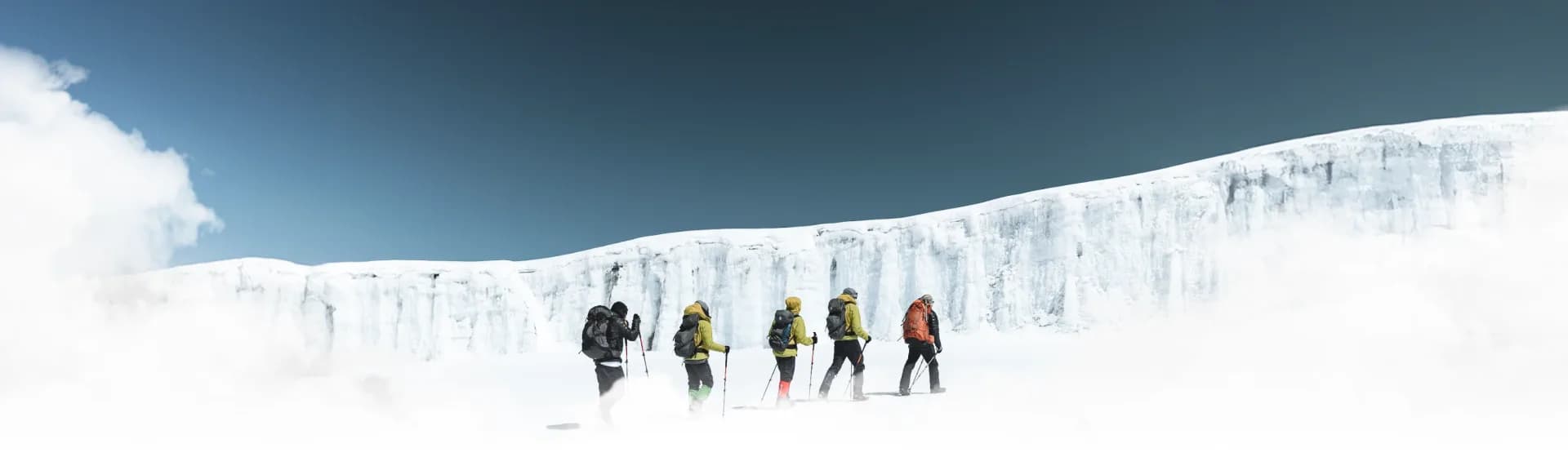
Umbwe Route
6–7 days · CampingThe steepest, most direct trail. Demanding early days and near-solitude, for fit trekkers who want a challenge.
Route Details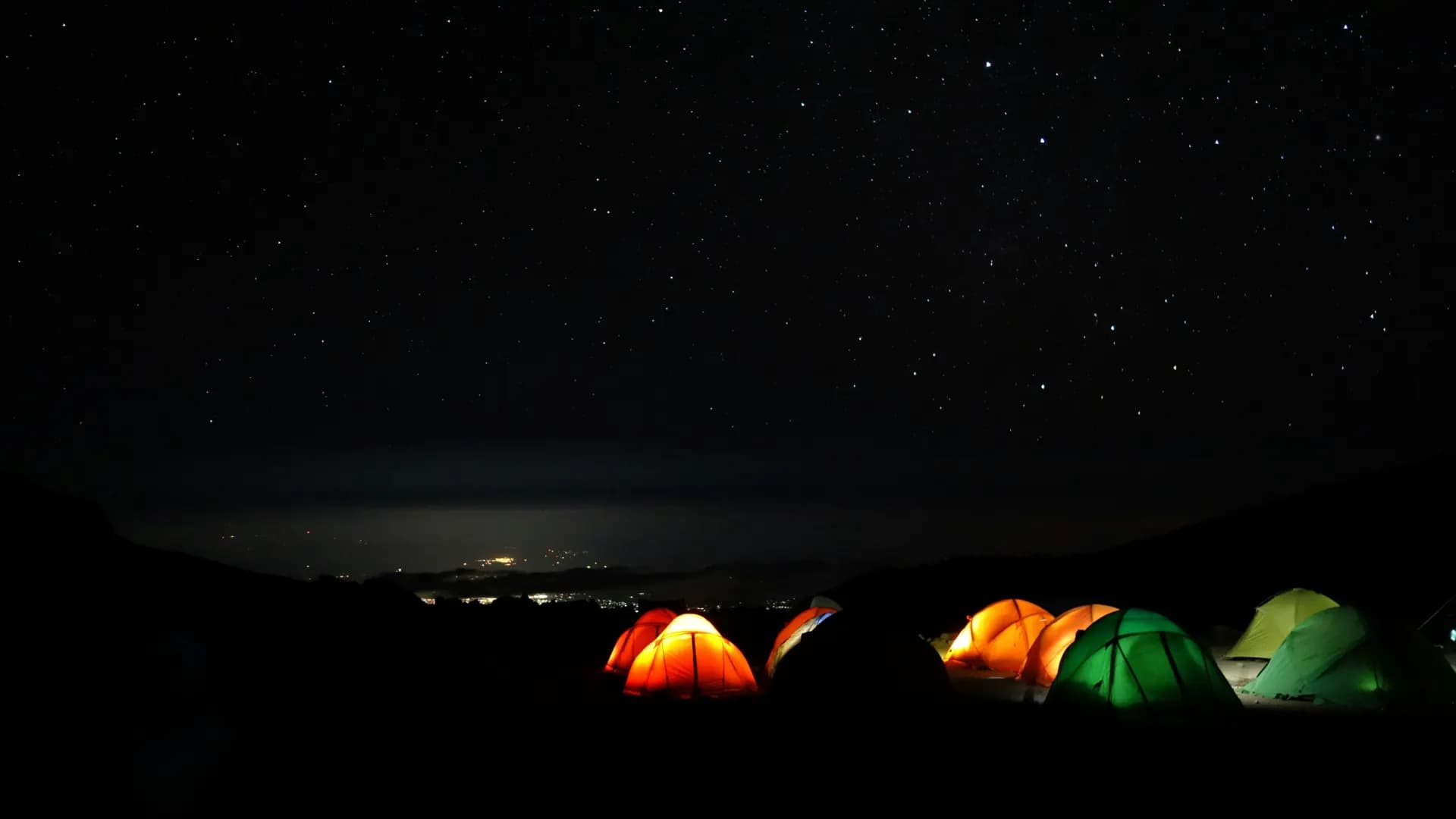
Northern Circuit
8–9 days · CampingThe longest route on the mountain. It circles Kilimanjaro entirely, with the most gradual acclimatization of all.
Route DetailsAt a Glance
Compare All Six Routes Side by Side
A quick reference for days on the mountain, sleeping style, and who each route tends to fit best. Tap any row for the full route page.
| Route | Days | Sleeping | Best Fit |
|---|---|---|---|
| Machame Route | 7 days | Camping | Active travelers who want a classic Kilimanjaro climb, with big views and strong trail variety. |
| Lemosho Route | 7–8 days | Camping | First-time climbers who want beauty, time, and the best pacing on the mountain. |
| Marangu Route | 5–6 days | Huts | Travelers who prefer hut-style sleeping over camping — a classic route, though not the best fit for everyone. |
| Rongai Route | 6–7 days | Camping | Travelers who want a quieter northern approach and a calmer, less crowded climb style. |
| Umbwe Route | 6–7 days | Camping | Strong, experienced hikers only — short, steep, and direct. Not recommended for most first-time climbers. |
| Northern Circuit | 8–9 days | Camping | Travelers who want the slowest, most premium climb — more time, fewer crowds, the full mountain experience. |
The Honest Answer
How Hard Is Climbing Kilimanjaro, Really?
Kilimanjaro is a walk — a long, high one. There are no ropes and no glaciers to cross on the standard routes. A healthy traveler with 2–3 months of hiking or cardio preparation can summit.
The variable that fails climbers is altitude, not fitness. Between the gate and the summit you cross five climate zones, from rainforest to arctic scree, and the air at Uhuru Peak holds roughly half the oxygen of sea level. Bodies adapt with time — which is why an 8-day route out-summits a 5-day route on the same trail.
On Kilimanjaro, the slowest itinerary is usually the smartest one.
The EXG Standard
What Does a Fully Supported Climb Include?
Wilderness First Responder guides
Your lead guides hold WFR certification and are trained to recognize altitude sickness early — before it decides your summit for you.
Daily health checks
Pulse-oximeter readings for every climber, every day. Oxygen saturation and heart rate tell the truth before symptoms do.
Emergency oxygen and 24/7 support
Emergency oxygen travels with your team, and a round-the-clock mountain communication line connects your guides to support below.
Mountain chefs
Three-course meals built for high-altitude nutrition — warm soups, high-protein mains, and fresh fruit at 13,000 feet.
Camp comfort that aids recovery
Walk-in tents and private toilet tents on camping routes. Sleeping well at altitude is not indulgence; it is acclimatization.
A private climb
Your own guides, your own crew, your own pace. Nobody else's schedule decides when you rest or when you push.
After the Summit
Can You Combine Kilimanjaro With a Safari?
Yes — and most EXG climbers do. The Serengeti, Ngorongoro Crater, and Tarangire sit a short drive or flight from the mountain, and a few days in a private safari vehicle is the recovery your legs will ask for.
Many travelers finish with 3–4 nights on Zanzibar. Summit, savanna, sea — one trip, planned as one story.
FAQ
Kilimanjaro Trek Questions, Answered
One Mountain. Six Routes. One Right Answer for You.
Tell us your dates, fitness, and how you like to travel. The EXG team will recommend the route — and the number of days — that gets you to Uhuru Peak.