
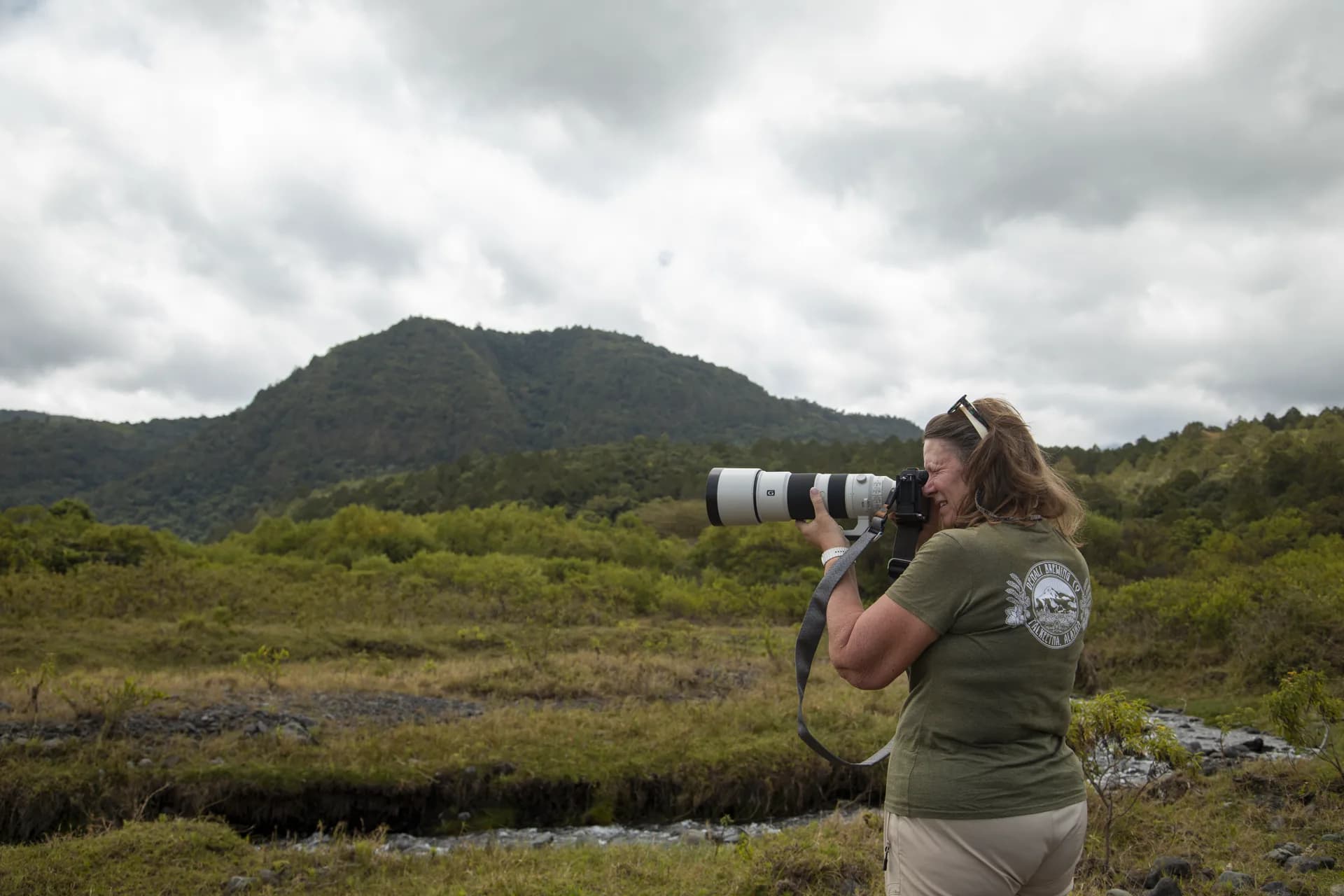
Where the Elephants Outnumber the Vehicles.
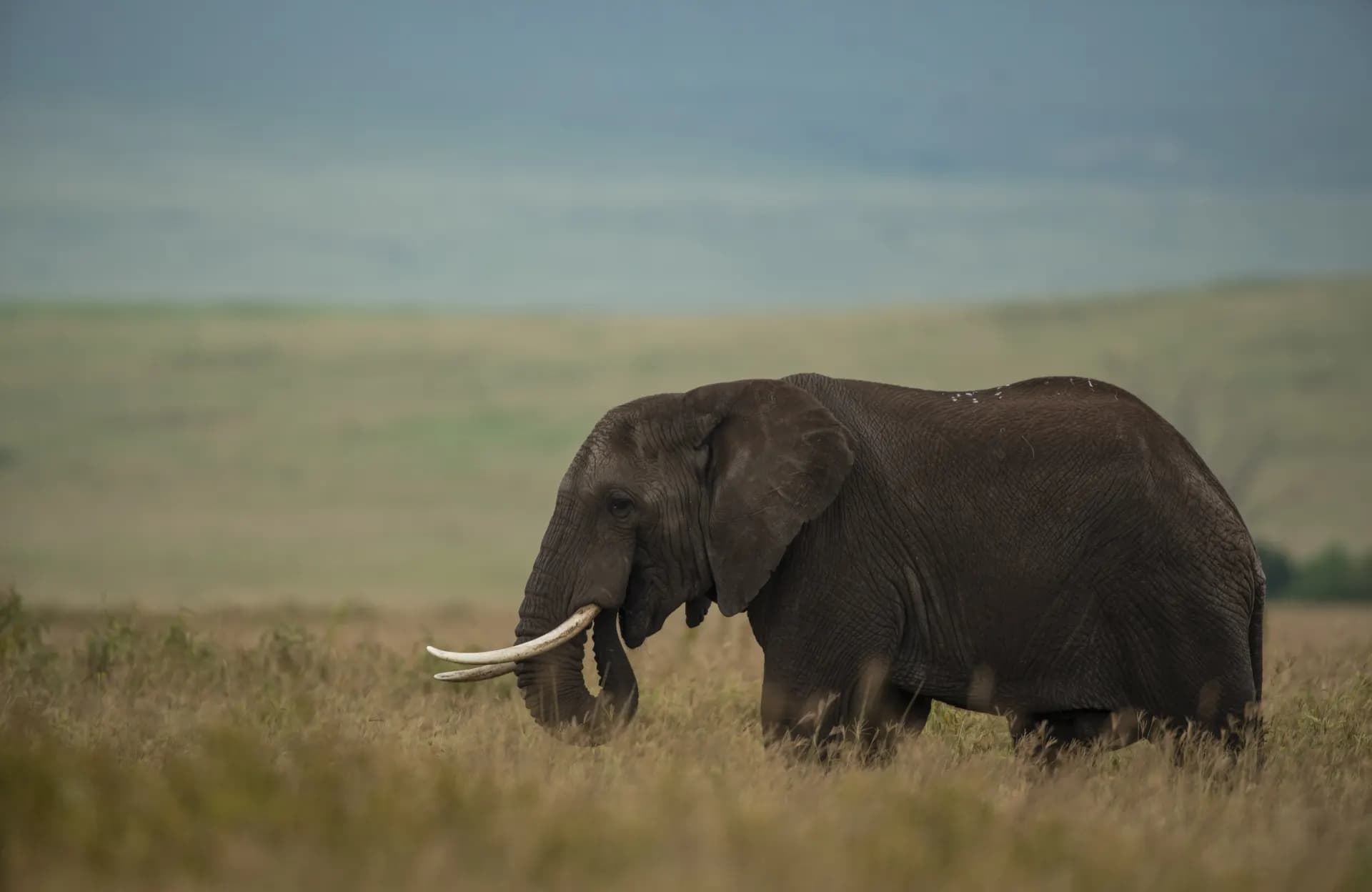
In the dry season, herds of up to 300 elephants converge on the Tarangire River beneath baobab trees centuries old. Tarangire National Park is the northern circuit's quiet opener — closer to Arusha than the Serengeti, and far less crowded.
Dry-season elephant routing · Private 4x4 Land Cruisers · U.S. + Tanzania planning team
Quick Answer
Northern Tanzania's Elephant Stronghold.
Tarangire National Park is northern Tanzania's elephant stronghold — herds of up to 300 gather along the Tarangire River in the June–October dry season, beneath baobab trees centuries old.
The park records more than 550 bird species and stays far quieter than the Serengeti. Most private itineraries open the safari with one or two nights here.
Elephant Herds
Up to 300
Dry Season
June–October
Bird Species
550+
Typical Stay
1–2 Nights
Why Tarangire
Why Do Guides Love Tarangire More Than Travelers Expect To?
Tarangire is the park U.S. travelers know least and remember most. It is not a backup to the Serengeti — it is a different kind of day: elephants at close range instead of herds on a horizon, baobab silhouettes instead of endless grass, and long stretches where yours is the only vehicle at the sighting.
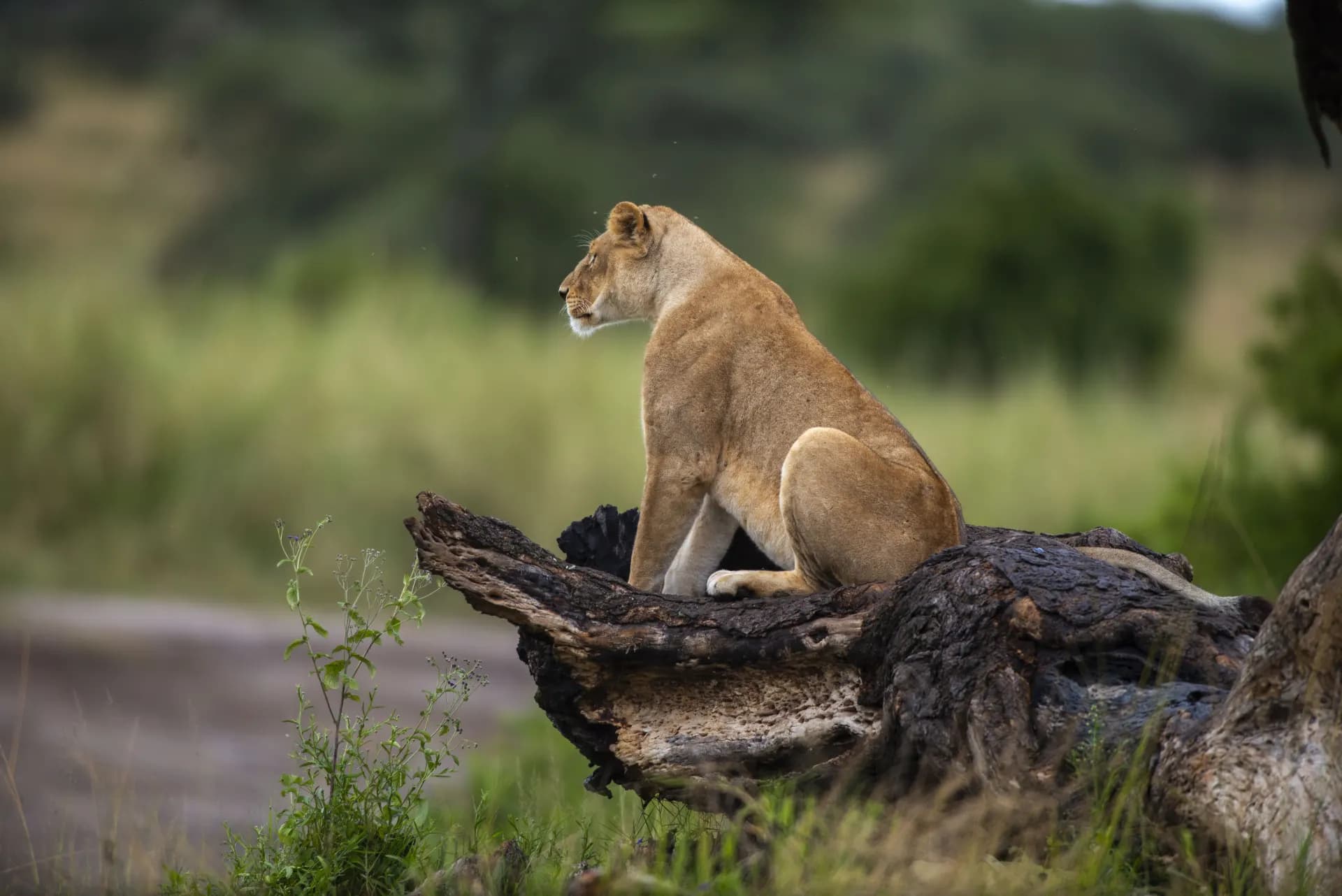
Beyond the elephants, the park holds lions, leopards, cheetahs, giraffes, buffalo, and open grassland plains locals call the "Small Serengeti" — plus swamps, Lake Burunge views, and some of the largest termite mounds in Tanzania.
- One of Africa's largest dry-season elephant concentrations
- Baobab trees centuries old across the skyline
- About 2 hours' drive from Arusha — the circuit's first stop
- Balloon safaris, bush lunches, and sundowner-friendly terrain
Signatures
What Makes Tarangire Unforgettable?
The Tarangire River
The park's permanent lifeline. In the dry season it is the only reliable water for miles, and elephant herds several hundred strong gather along it daily — often within yards of the vehicle.
Ancient baobabs
Thousands of giant baobab trees, some centuries old, give Tarangire the most distinctive skyline of any northern park. At sunset they turn the landscape into silhouette.
550+ bird species
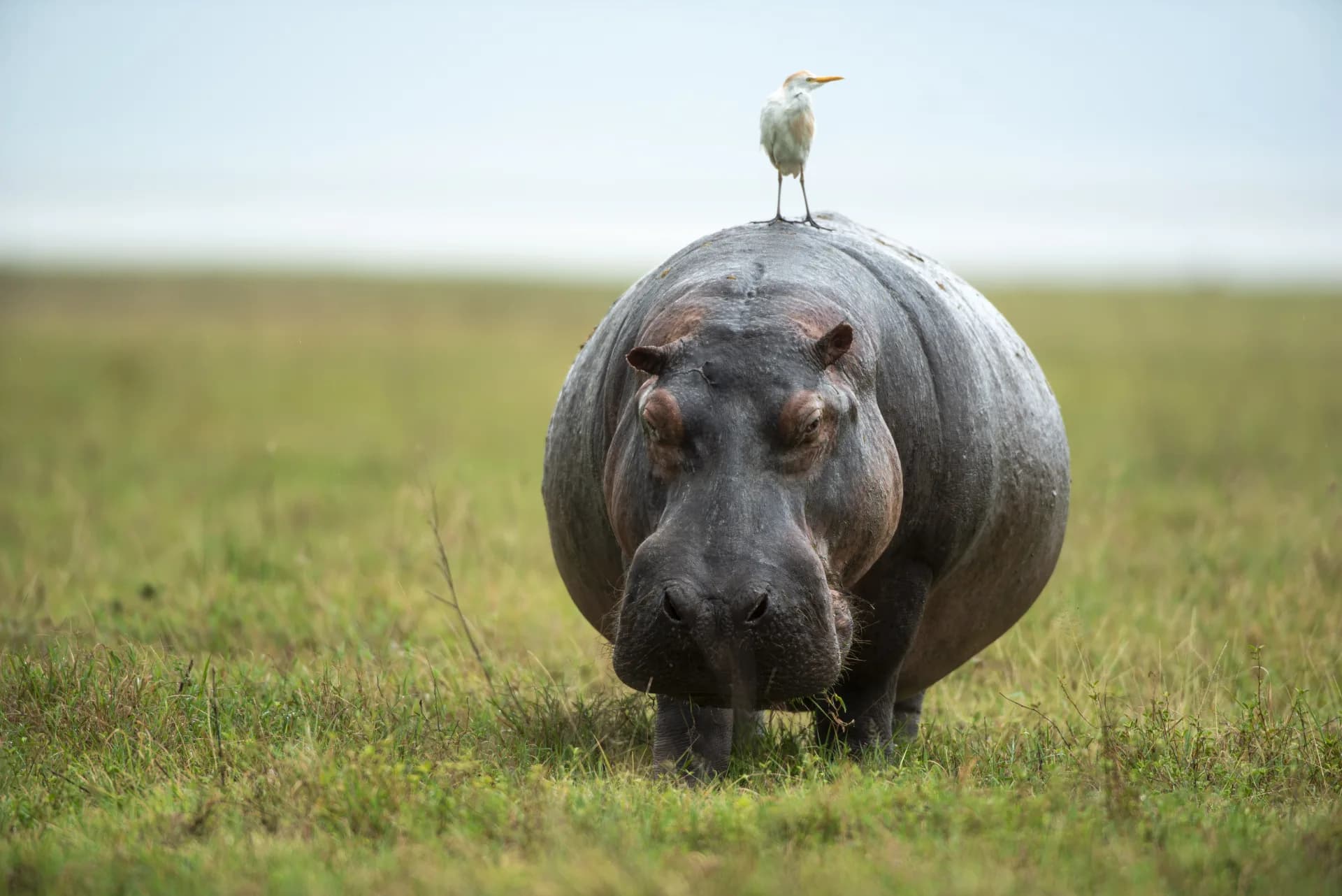
Tarangire's swamps support one of the highest counts of breeding bird species anywhere — hornbills, lovebirds, lilac-breasted rollers, and the kori bustard, the world's heaviest flying bird.
A quieter safari mood
Tarangire carries a fraction of the Serengeti's traffic. Sunrise drives, bush lunches under a baobab, and sundowners over the plains feel private here in a way famous parks rarely allow.
Timing
When Is the Best Time to Visit Tarangire?
Tarangire is the most seasonal park on the northern circuit — which makes timing it correctly matter more here than anywhere else.
Dry season — peak Tarangire
June – October
Water outside the park disappears and wildlife funnels to the Tarangire River. This is when the famous elephant gatherings happen and when the park competes with any reserve in Africa for sightings per hour.
Green season
November – May
Many large animals disperse to seasonal grazing beyond the park, so game viewing thins — but birdlife peaks, rates drop, and the baobabs stand over green plains under dramatic skies. Best for birders and photographers.
Traveling in the green season? We reweight the route toward the crater and Serengeti, where wildlife stays put year-round.
Route Fit
How Does Tarangire Fit Into a 7–10 Day Safari?
Tarangire is the classic first stop. Two hours after leaving Arusha you are inside the park, and by afternoon your group has seen its first elephants — which sets the emotional tone for everything that follows. One or two nights here, then the route climbs toward Ngorongoro Crater and on to the Serengeti.
It also rewards travelers who want the day to feel slower: sunrise drives when the river wakes, a private bush lunch in baobab shade, and a sundowner as the plains turn gold. Families and seniors often rank Tarangire as the most relaxed day of the trip.
Tarangire does not need to shout. It wins by staying with you.
FAQ
Tarangire Safari Questions
Start Your Safari Where the Elephants Are.
Tell us your dates and the EXG team will build a route that hits Tarangire at the right point in the season — and tells you honestly if it isn't one.