
A Volcano Collapsed. A Safari Took Its Place.
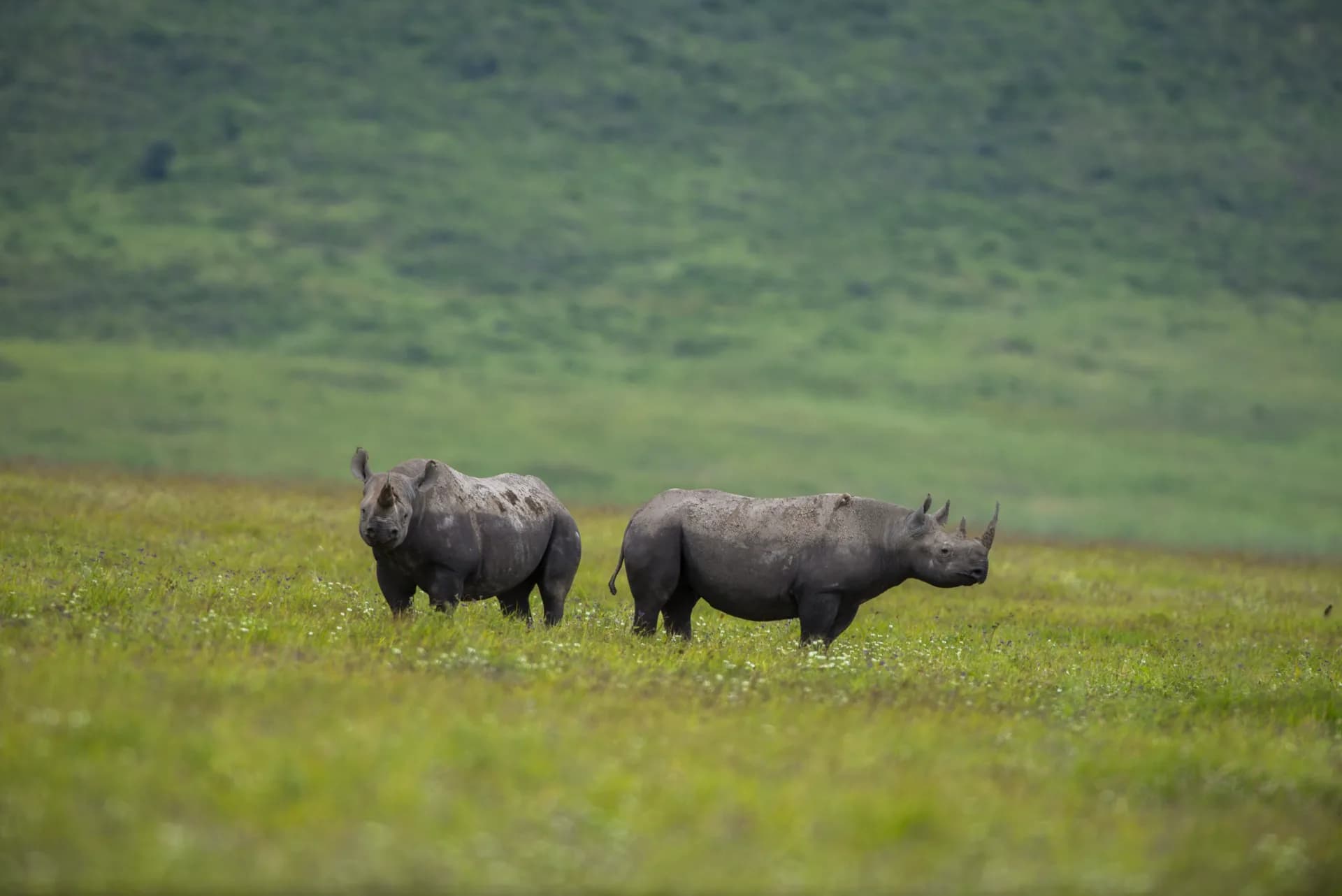
Two to three million years ago a volcano fell in on itself and left a 12-mile-wide bowl that wildlife never leaves. Ngorongoro Crater packs lions, elephants, flamingos, and Tanzania's most reliable black rhino sightings into a single day's game drive.
Early-descent crater days · Private 4x4 Land Cruisers · U.S. + Tanzania planning team
Quick Answer
One of Africa's Densest Concentrations of Big Game.
Ngorongoro Crater is a collapsed volcanic caldera in northern Tanzania — roughly 12 miles across and 2,000 feet deep — holding one of the densest big-game concentrations in Africa.
It is one of the most reliable places in Tanzania to see black rhino, and its floor supports lions, elephants, buffalo, and flamingos year-round. Most safaris give it one full day.
Crater Width
~12 Miles Across
Crater Depth
~2,000 Feet
Wildlife Viewing
Reliable Black Rhino Sightings
Typical Stay
1 Full Day
Why Ngorongoro
What Makes Ngorongoro Crater Different From Every Other Park?
Most parks ask you to cover ground to find wildlife. The crater reverses that: its 2,000-foot walls hold a resident population of large animals inside about 100 square miles of floor, so the wildlife density per game-drive hour is unlike anywhere else on the northern circuit. If the Serengeti gives you scale, Ngorongoro gives you intensity.
The crater sits within the larger Ngorongoro Conservation Area — more than 3,000 square miles of highlands, craters, and archaeological sites stretching toward the Serengeti — a UNESCO World Heritage Site where Maasai communities still live and graze cattle alongside the wildlife.
- Roughly 12 miles across, about 2,000 feet deep
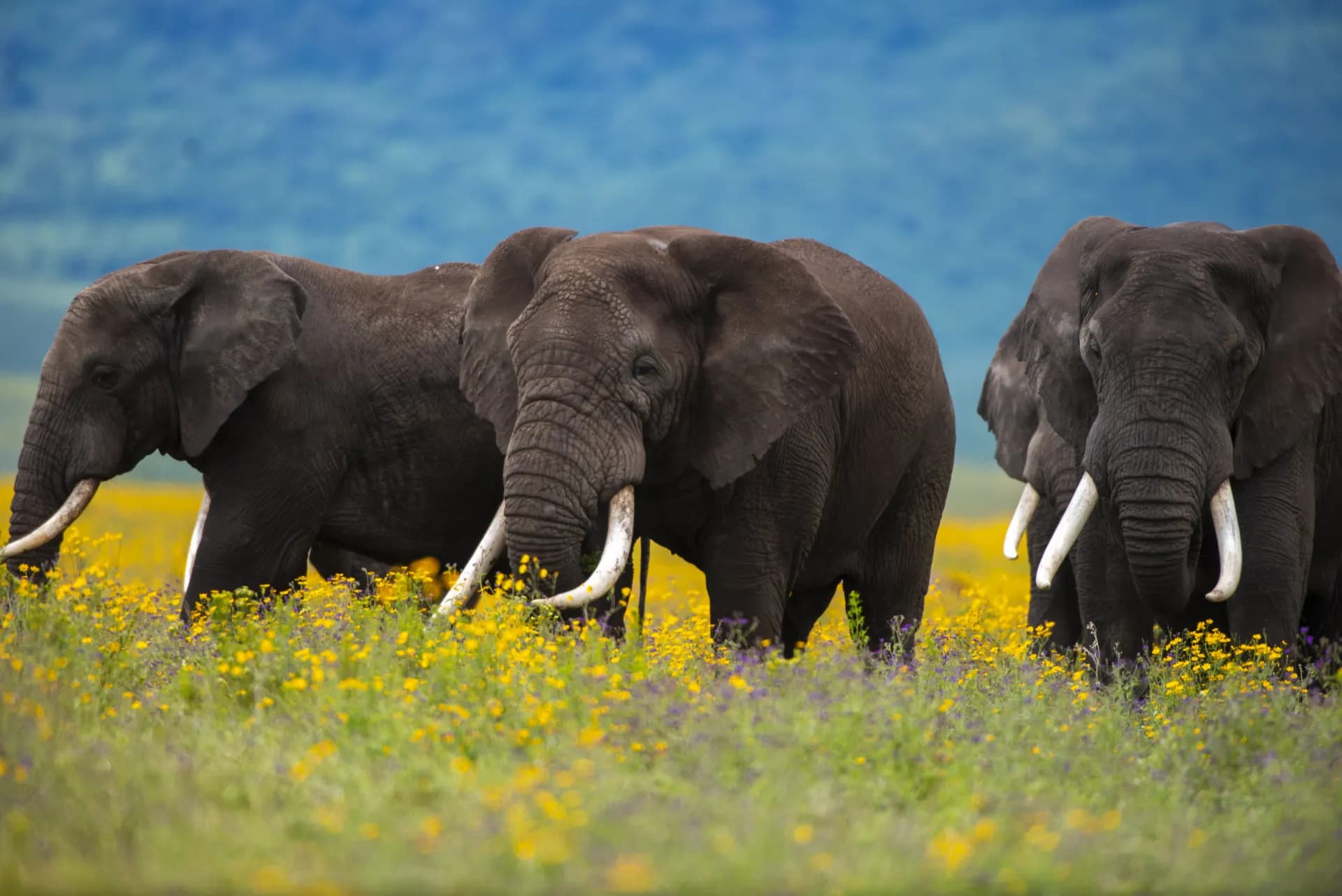
- All of the Big Five, including black rhino, on the floor
- Formed by a volcanic collapse 2–3 million years ago
- About 4 hours' drive from Arusha, en route to the Serengeti
The Crater Day
What Does a Day on the Crater Floor Actually Look Like?
The crater rewards an early start more than any other stop in Tanzania. Here is the rhythm of a well-planned day.
Before 7:00 AM
Descend with the mist
Leave the rim lodge early and drop 2,000 feet on the descent road while the floor is quiet and the light is soft — the best hours for rhino and big cats.
Morning
The open grassland
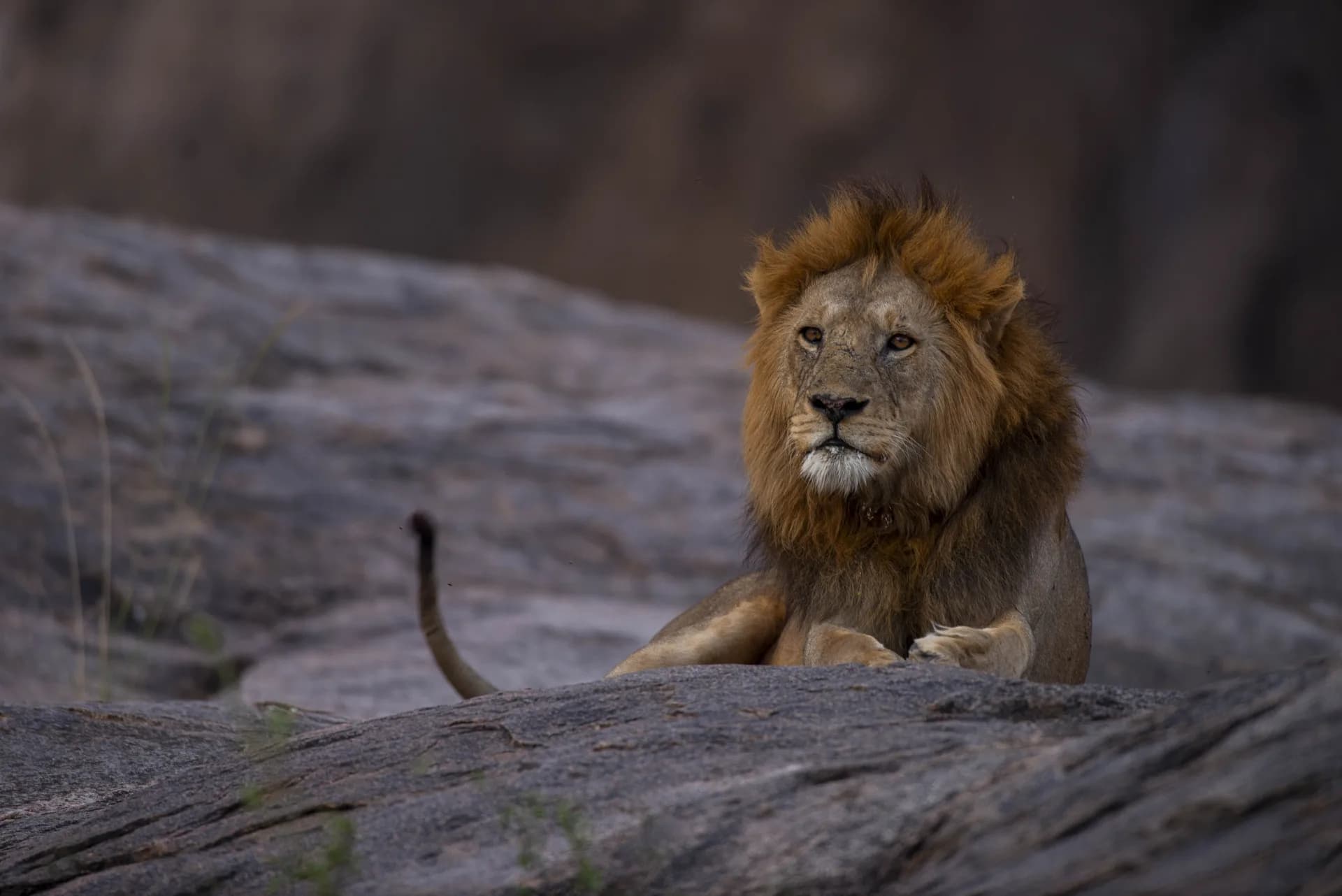
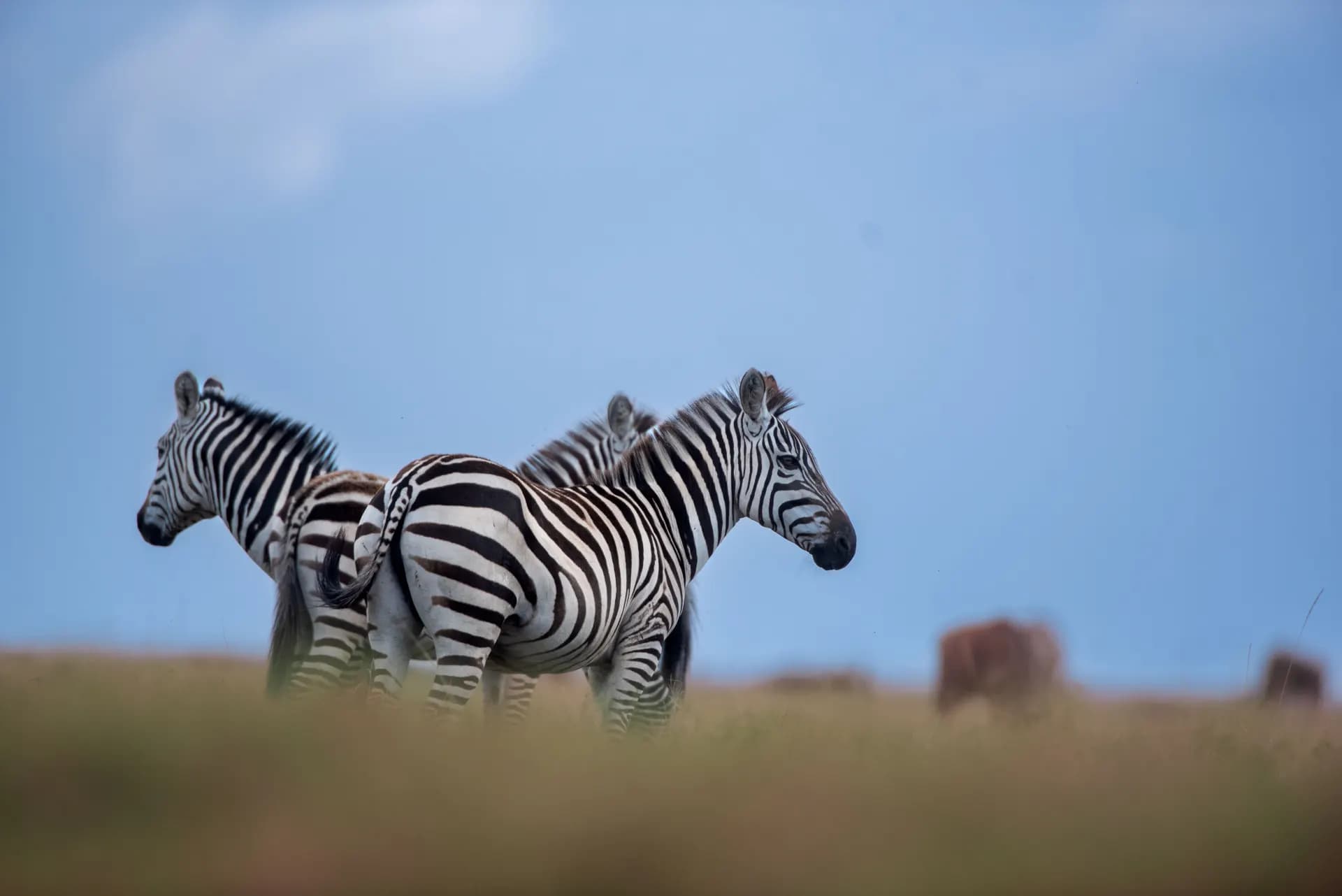
Lions, hyenas, wildebeest, zebras, and — with patience — black rhino on the short-grass plains. Distances are small, so sightings come quickly.
Midday
Lake Magadi & the hippo pools
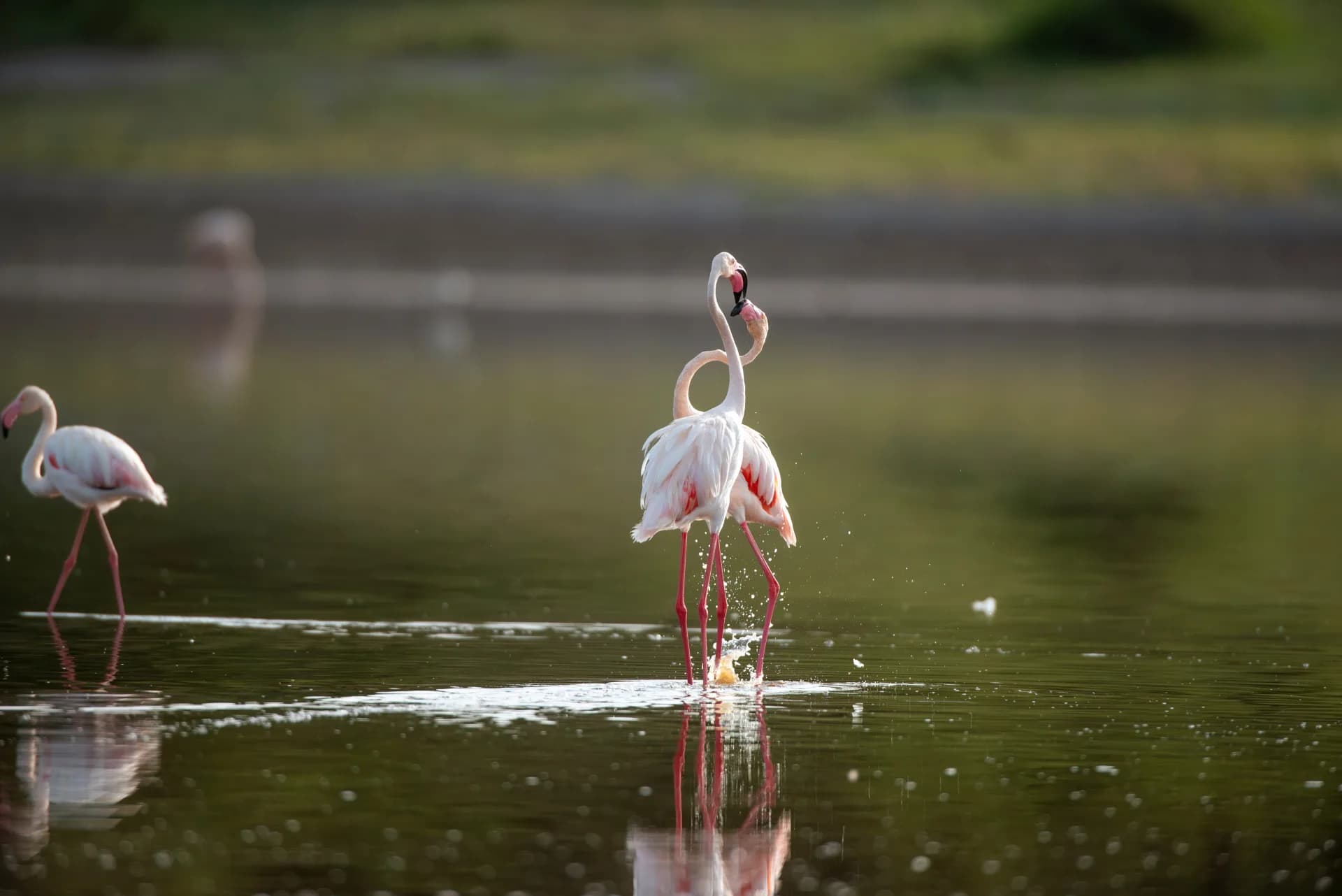
Flamingos gather on the soda lake in season; hippos crowd the pools. Picnic lunch on the floor, then a slow loop through the Lerai Forest for elephants.
Afternoon
Ascend and exhale
Climb the ascent road by late afternoon and watch the whole day shrink into a bowl behind you. Overnight on the rim, or continue toward the Serengeti.
Timing
When Is the Best Time to Visit Ngorongoro Crater?
Because the crater's wildlife rarely leaves, Ngorongoro is the most season-proof stop in Tanzania. The differences are about conditions and crowds, not whether you will see animals.
Dry season
June – October
Clear air, dry crater roads, and short grass — the easiest viewing of the year. It is also the busiest window; an early descent matters most now.
Green season
November – May
The floor turns green, migratory birds and flamingos arrive in numbers, and vehicle counts drop. Rim mornings are cool and misty at 7,500+ feet — pack layers.
The real rule
Any month, early
The crater's best variable is the clock, not the calendar. Gates open at dawn; the travelers on the floor by 7:00 AM get a different crater than those who arrive at 10.
Beyond the Crater
Where Wildlife Meets Human History
The wider conservation area is one of the most important human-origin landscapes on Earth. Few safari stops let you watch lions in the morning and stand where our earliest ancestors walked by afternoon.
Olduvai Gorge
One of the world's most important archaeological sites, where discoveries reshaped what we know about early humans. A short detour on the drive between the crater and the Serengeti.
Olmoti & Empakaai craters
Quieter sister craters in the highlands with rim hikes, waterfalls, and a flamingo-filled lake — for travelers who want a walk after days in the vehicle.
Maasai communities
The conservation area is one of the few places where people and wildlife share the land; Maasai herders graze cattle within its bounds. A village visit adds a human layer to the trip.
The Laetoli footprints
Fossil footprints roughly 3.6 million years old, among the oldest evidence of upright human walking ever found — preserved within the conservation area.
FAQ
Ngorongoro Crater Questions
One Day in the Crater. Planned Like It Matters.
Descent timing, floor hours, and the right rim lodge decide what Ngorongoro feels like. Tell us your dates and the EXG team will build the day properly.