Africa's Roof, However You Choose to Meet It.
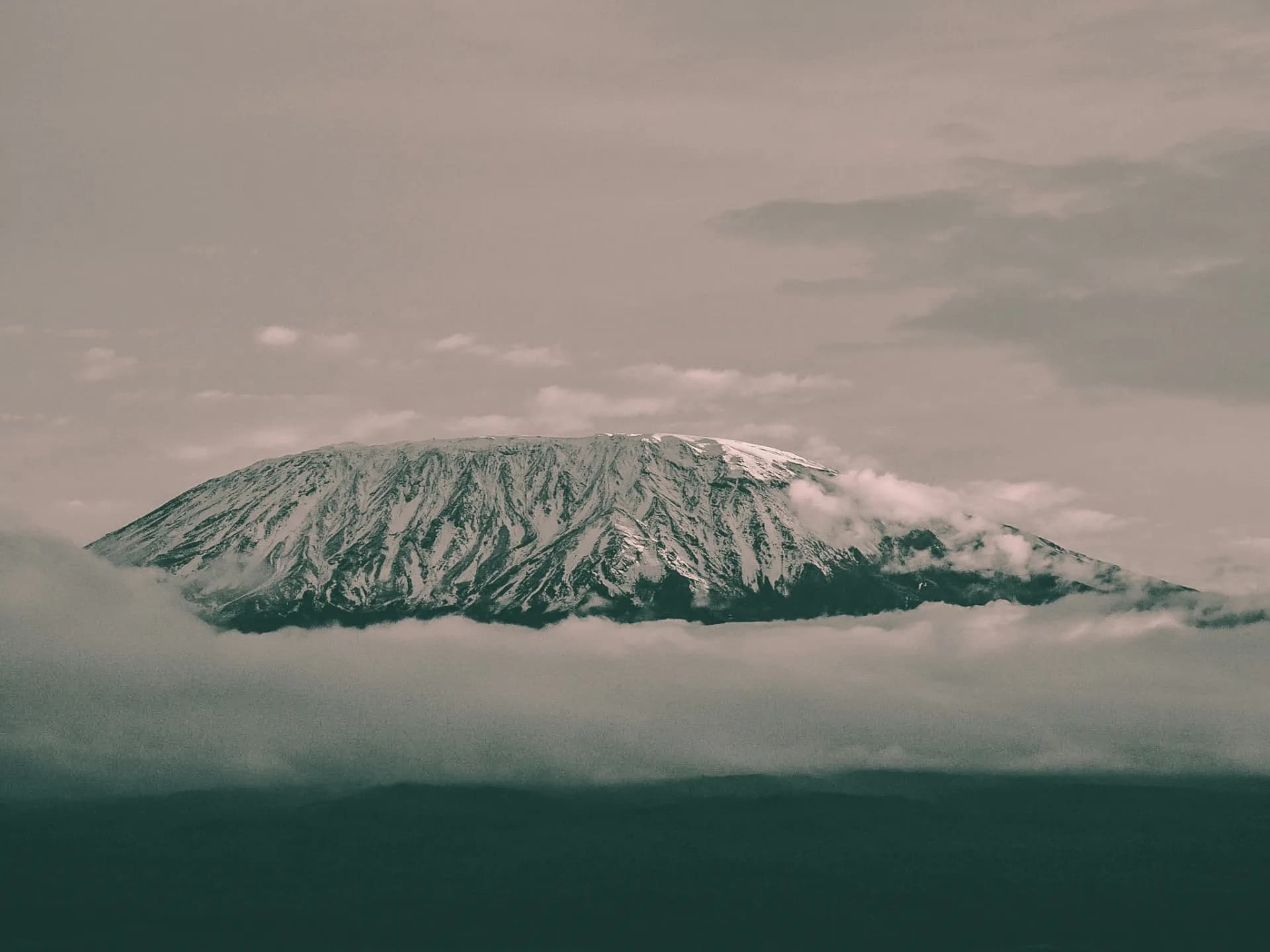
Mount Kilimanjaro rises 19,341 feet above northern Tanzania — the tallest free-standing mountain on Earth. Some travelers admire it from the plains, some walk its rainforest foothills for a day, and some climb through five climate zones to stand on the summit.
Trek + safari combinations · Licensed mountain crews · U.S. + Tanzania planning team
Quick Answer
Africa's Highest Mountain, Rising Alone Above the Plains.
Mount Kilimanjaro is Africa's highest mountain at 19,341 feet and the tallest free-standing mountain in the world, rising alone above northern Tanzania.
Most U.S. travelers first see it from the flight into Kilimanjaro International Airport (JRO); you can experience it on a foothills day hike or a five-to-nine-day summit trek, ideally placed before a safari.
Elevation
19,341 Feet
Summit Trek
5–9 Days
First Sighting For Most
Flight Into JRO
Best Placed
Before a Safari
Your Kilimanjaro
Do You Have to Climb Kilimanjaro to Experience It?
No — and being honest about that saves travelers from signing up for the wrong trip. There are four ways to meet the mountain, in ascending order of commitment.
See it from your safari
Most travelers meet Kilimanjaro through an airplane window on approach to Kilimanjaro International Airport (JRO), then again from the plains on clear mornings. No boots required.
Day hikes on the lower slopes
A one-day walk through the rainforest zone — waterfalls, colobus monkeys, coffee-farm villages — adds a mountain day to a safari without altitude risk or camping.
Climb to the summit
Five-to-nine-day treks reach Uhuru Peak at 19,341 feet. No technical climbing is required — the challenge is altitude, which is why route choice and extra acclimatization days matter.
Pair it with safari
Trek first, safari after — game-drive days are the recovery your legs will want. EXG plans the connection, transfers, and rest day in between.
The Mountain Itself
Tropics to Arctic in Five Climate Zones
Climbing Kilimanjaro has been described as walking from the equator to the poles in a week. UNESCO listed the mountain as a World Heritage Site in 1987 for exactly this — a complete ladder of ecosystems stacked on one volcano.
Below 6,000 ft
Cultivated foothills
Coffee and banana farms on volcanic soil — where day hikes and village walks begin.
6,000 – 9,800 ft
Tropical rainforest
Moss, mist, colobus monkeys, and birdlife. The most alive stretch of the mountain.
9,800 – 13,800 ft
Heath & moorland
Giant groundsels and open views above the clouds — the Shira Plateau sits here.
13,800 – 16,400 ft
Alpine desert
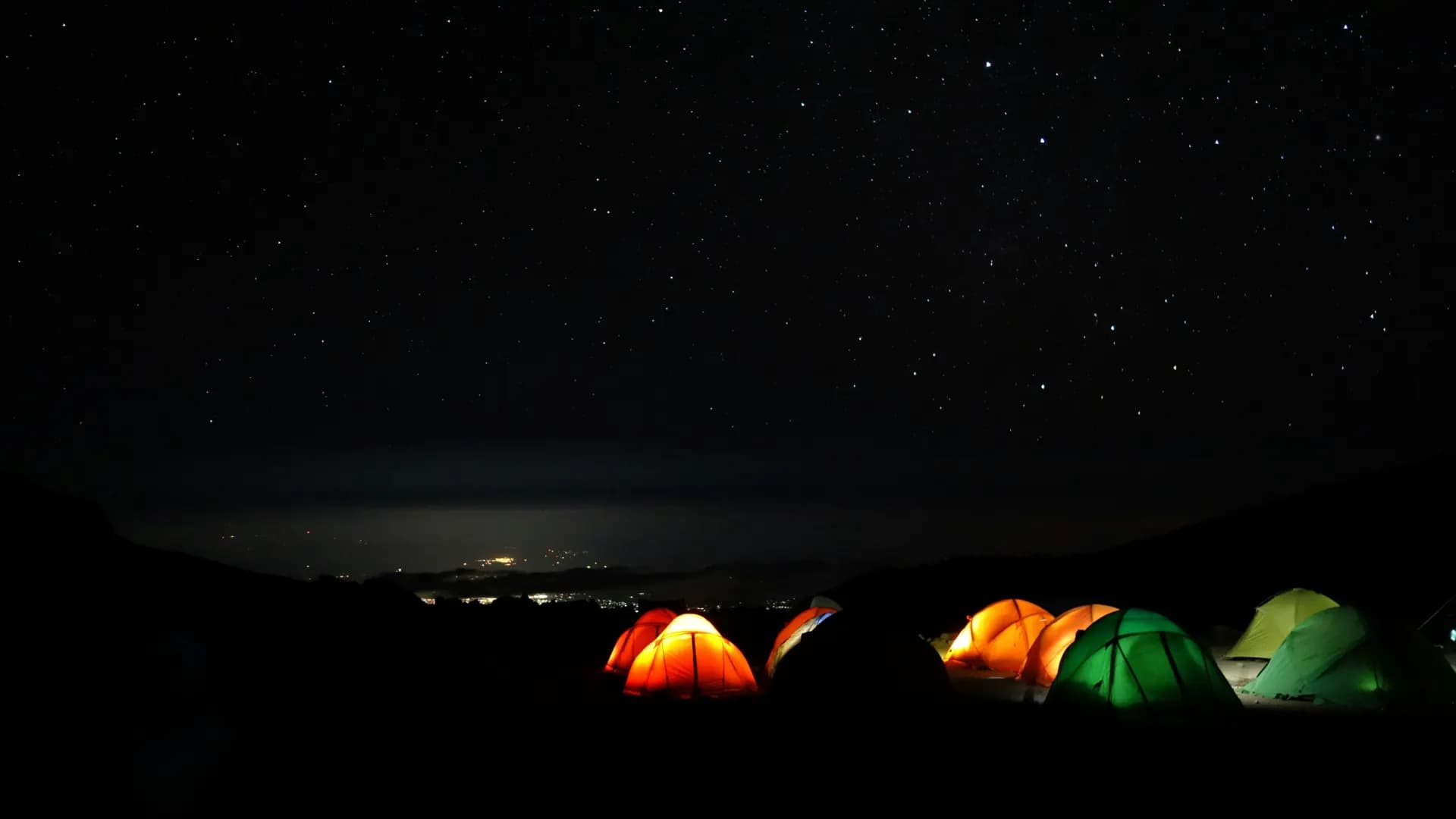
Bare volcanic rock, hot days, freezing nights. Summit camps sit at this altitude.
16,400 – 19,341 ft
Arctic summit
Glaciers and the snow-capped crater rim of Uhuru Peak — the Roof of Africa.
Choosing a Route
Which Kilimanjaro Route Should You Choose?
Seven established routes reach the summit, and they differ in the ways that decide success: days on the mountain, ascent profile, scenery, and traffic. Because altitude — not fitness — is what turns climbers back, the routes that give your body more days to acclimatize are the ones we recommend most often.
- Machame (6–7 days) — the scenic classic; gradual ascent, busy trails
- Lemosho (7–8 days) — remote start, superb scenery, strong acclimatization
- Northern Circuit (9 days) — the longest, quietest, most gradual route
- Marangu (5–6 days) — shortest, hut-based; the fast ascent suits fewer climbers
Every EXG climb runs with licensed guides and a full mountain crew — and the porters who carry the camp are treated and paid fairly, because no summit is worth cutting that corner.
Timing
When Is the Best Time to Climb Kilimanjaro?
The mountain is climbable year-round, but two dry windows offer far better odds of clear summit views and dry trails.
Warm & clear
January – February
Typically the warmest of the prime windows, with low rainfall and excellent visibility. A favorite for pairing with a calving-season safari at Ndutu.
Dry season
June – October
Cool, dry, and reliable — and it aligns with peak safari season, making trek-plus-safari itineraries simplest to build. The most popular window, so trails carry more climbers.
Mid-March – May & November
Rainy months
Wet trails, cloud cover, and slippery forest paths. Some experienced trekkers go anyway for empty routes, but first-timers should aim for a dry window.
FAQ
Kilimanjaro Questions
Scenery, Day Hike, or Summit — Meet the Mountain Your Way.
Tell us your dates, fitness, and how much mountain you want. The EXG team will recommend the route — or honestly tell you the day hike is your better trip.